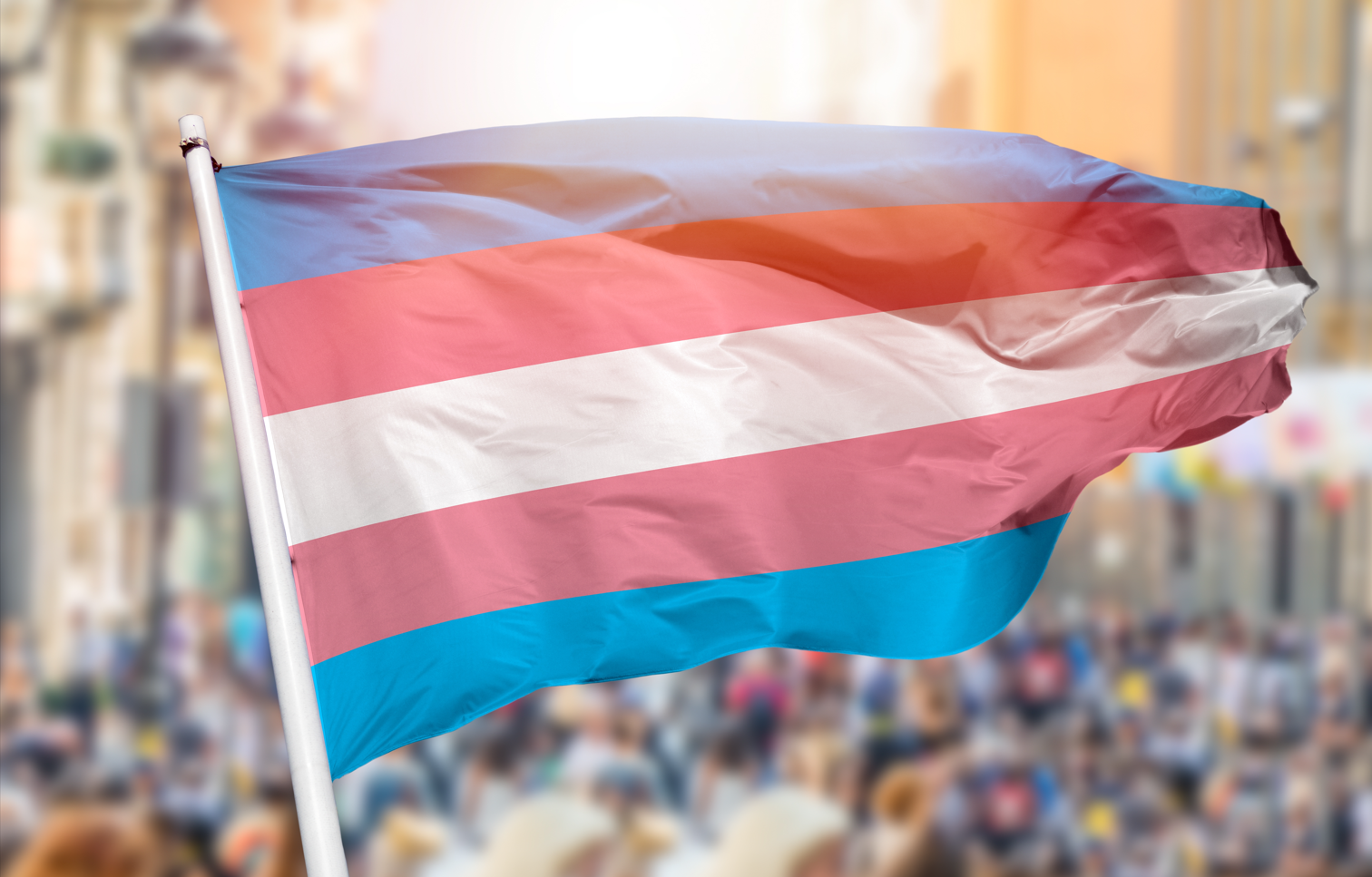
Every year on 31 March, the world marks International Transgender Day of Visibility, a day dedicated to celebrating transgender people and raising awareness of the challenges they continue to face. Since its creation in 2009, the day has become an important moment to highlight both progress and the need for continued action.
To Zenobia Gawlikowska, senior software engineer and accessibility expert at Sanoma Learning, the Transgender Day of Visibility carries important symbolism, especially at a time when the rights of transgender people are being taken away and gender‑related topics are often misunderstood: “It is a day when I do not have to hide in order to feel safe. (…) In my experience, people open up and show much more acceptance when they simply meet people who are different. They can see that we just want to live our lives, just like everyone else.”
For education, this moment is particularly relevant. Schools play a key role in shaping how young people experience identity, belonging, and safety, all of which are essential for learning.
Why inclusion matters in education
Not everyone experiences education in the same way. Research shows that students with diverse gender identities are more likely to face challenges in school environments. Data from UNESCO shows that, in some contexts, a large share of LGBTQI+ students experience bullying or violence in school, which negatively impacts their academic performance, attendance, and wellbeing. These experiences can have lasting consequences, from reduced engagement in the classroom to lower educational outcomes.
Research and global education reports highlight that inclusive systems are essential to achieving equal opportunities. UNESCO emphasizes the importance of better data and inclusive approaches to understand and address inequalities in education systems. In practice, this means going beyond awareness and embedding inclusivity into everyday learning experiences.
Respect for gender identity within educational settings is vital, particularly for transgender students, whose well‑being and participation in school life depend on feeling acknowledged and safe. The educational system must respect a student’s gender identity, including their chosen name and pronouns, as a fundamental aspect of students’ rights and inclusive education. A recent case in Poland, shared by Zenobia, highlights why this matters in practice.
Creating inclusive learning environments starts with visibility. When students see themselves reflected in their learning materials and school culture, it contributes to a stronger sense of belonging.
Our commitment to inclusive learning
At Sanoma Learning, inclusivity is an integral part of our approach to education. Through our Inclusive Learning strategy, we aim to create learning solutions that reflect the diversity of today’s classrooms.
This includes developing materials that support diversity, differentiation, and equal access to education, helping educators in creating safe and inclusive learning environments. By doing so, we contribute to a system where all students have the opportunity to succeed.
As part of the development and accessibility team at Sanoma, Zenobia believes accessibility and inclusion are very closely related, creating solutions that also embrace the needs of minorities that are very often overlooked. “Developing for inclusive learning means paying attention to users, the devices they are using, the conditions in the classroom, and their visual, auditory, cognitive and manual abilities. (…) In the end, this produces better software and a better learning experience for everyone.”
A shared responsibility for positive impact
Creating inclusive education is a shared effort that goes beyond policy and is reflected in everyday actions across the entire education system, from learning materials to classroom interactions. Feeling seen and represented in the classroom influences students’ confidence, engagement and learning outcomes.
According to Zenobia, having someone to look up to, a positive role model, matters enormously. “I did not have this when growing up and going to school. When students must spend cognitive and emotional energy managing concealment, that energy is not available for learning. This is a structural engagement deficit rooted in a lack of representation.”
By continuing to invest in inclusive learning, we aim to ensure that every student feels seen, supported and empowered to thrive every day. The International Transgender Day of Visibility is both a moment of recognition and a call to action. It reminds us that visibility, inclusion, and equal opportunities are essential components of quality education.